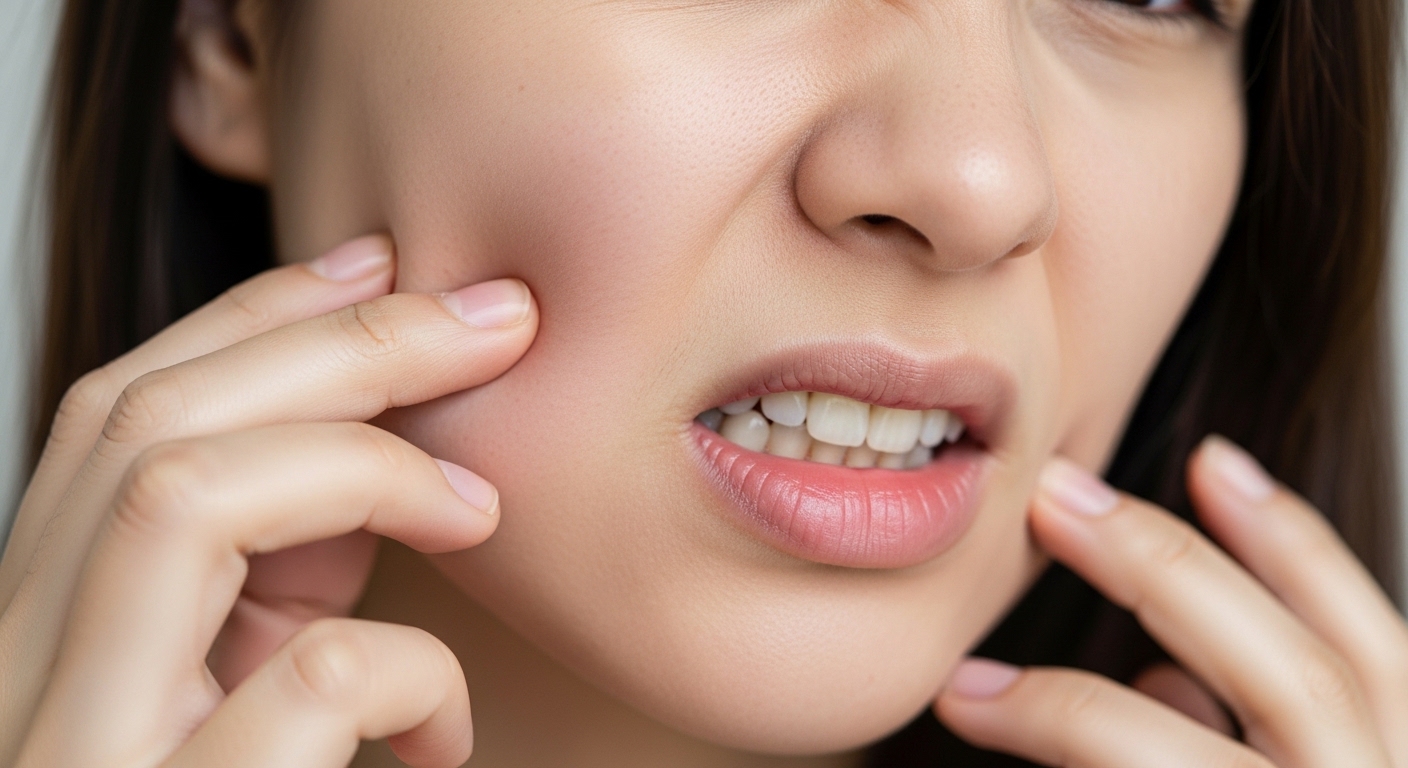
Root canal treatment side effects are usually temporary and manageable. It’s common to feel tenderness when biting, a dull ache as the anaesthetic wears off, or mild jaw soreness for a few days. For most people, root canal treatment pain after procedure improves within 3-7 days, then continues to settle as the tissues around the tooth heal.
We’ve put this guide together at Revesby Dental Centre for patients in Revesby, NSW and surrounding suburbs who want clear, practical answers. Below, we’ll explain what’s normal, what isn’t, how long symptoms usually last, how to feel better faster, and when it’s worth booking a quick review.
Quick answers
What are common root canal treatment side effects?
- Tenderness when chewing or tapping the tooth
- A dull ache for a few days
- Mild gum soreness near the treated tooth
- Jaw stiffness or tiredness
- A tooth that feels “different” for a short time
How long do root canal side effects last?
- Usually 3-7 days
- Mild bite tenderness can sometimes last 1-2 weeks, especially after a bigger infection
What’s not normal after a root canal?
- Pain that worsens after day 3-4
- Facial swelling or swelling that spreads
- Fever, chills, or feeling unwell
- Pus, a persistent bad taste, or a pimple-like bump on the gum
- A temporary filling/crown breaking or falling out
- Sharp pain on biting that doesn’t improve
Is root canal treatment safe?
- Yes. It’s a common, well-established procedure designed to remove infection and help save your natural tooth.
What a root canal does (and why side effects can still happen)
A root canal treats infection or inflammation inside the tooth (the pulp). During treatment, the infected tissue is removed, the canals are cleaned and disinfected, and the tooth is sealed to reduce the chance of bacteria returning.
Even though the nerve inside the tooth is removed, the tooth is still connected to living tissues around the root – including the ligament that holds it in place and the bone around it. Those tissues may have been irritated by infection before treatment, and they can stay sensitive for a short time afterwards while healing settles.
Why you might feel discomfort after treatment
- Healing inflammation around the root tip
- Ligament tenderness when you bite
- A “high” bite from a temporary filling sitting slightly proud
- Jaw muscle fatigue from keeping your mouth open
- A heavily infected tooth that needs extra time to calm down
Key takeaway: A bit of soreness is normal. What matters most is the overall trend – it should be improving.
Root canal treatment side effects: what’s normal and how long they last
Most normal symptoms fall into the “settling and healing” category and ease gradually.
Normal root canal treatment side effects
- Tenderness when chewing (especially on harder foods)
- A dull ache or mild throbbing once numbness wears off
- Gum tenderness near the treated tooth
- Jaw stiffness or tiredness
- A bruised feeling around the tooth
Typical recovery timeline
First 24 hours
- Aches and tenderness can start once numbness fades
- Chewing may feel uncomfortable on that side
What helps:
- Soft foods
- Chew on the other side
- Avoid poking or “testing” the tooth
Days 2-3
- This is often when tenderness feels most noticeable
- If the tooth hits first when you bite, it can feel extra sore
What helps:
- Continue softer foods
- If your bite feels off, it’s worth having it checked (this is a common, simple cause of ongoing soreness)
Days 4-7
- Most people feel clearly better
- Mild tenderness may linger, but it should be trending down
Week 2
- Many patients feel normal again
- If you’re not improving, or symptoms keep returning, it’s time to review what’s going on
Root canal treatment pain after procedure: what’s expected vs what’s a red flag
Pain after a root canal is one of the most common worries – so here’s the simple rule:
Normal pain improves. Concerning pain escalates or comes with other symptoms.
Pain that’s usually expected
- Mild to moderate tenderness
- Soreness mainly when biting or tapping the tooth
- A dull ache that improves day by day
Pain that needs attention (don’t wait it out)
If you notice any of the following, it’s worth getting checked:
- Pain that worsens after day 3-4
- Significant pain that doesn’t settle
- Facial swelling or swelling that spreads
- Fever, chills, or feeling unwell
- Pus, a persistent bad taste, or a gum boil
- A cracked tooth or a lost/broken temporary filling
- Sharp pain when biting that doesn’t improve
If swelling affects breathing or swallowing, seek urgent medical care.
Normal vs not normal: quick check table
| Symptom | Usually normal? | Typical duration | Likely cause | What to do |
| Mild ache | Yes | 1-7 days | Healing inflammation | Soft foods, rest the tooth |
| Sore when biting | Often | 3-10 days | Ligament irritation/high bite | Avoid hard chewing; consider a bite check |
| Jaw soreness | Yes | 1-3 days | Muscle fatigue | Warm compress, gentle stretching |
| Mild gum tenderness | Yes | 1-5 days | Local irritation | Gentle brushing, saltwater rinse |
| Tooth feels “high” | Common | Until adjusted | Filling slightly high | Book a quick adjustment |
| Facial swelling | No | N/A | Infection flare-up | Prompt dental review |
| Fever/unwell | No | N/A | Infection/systemic | Prompt assessment |
| Bad taste/pus | No | N/A | Infection/drainage | Prompt dental review |
The most common “easy fix”: a high bite
One of the most common reasons a tooth stays sore after a root canal is simply that it’s biting a fraction too high.
Signs your bite may be high
- The treated tooth hits first when you close
- Chewing creates a bruised/pressure feeling
- Pain is worse when biting than at rest
Why it matters:
- A high bite keeps the ligament inflamed and slows improvement
This is also one of the quickest things to correct – and often brings fast relief once adjusted.
Complications after root canal treatment (and what they feel like)
Complications aren’t the norm, but it helps to know what they look like.
1) Post-treatment flare-up
Sometimes the tissues around the root react strongly after treatment, especially when infection was significant.
What it can feel like:
- Increasing pain
- Gum swelling
- The tooth feels very tender to bite on
2) Re-infection (later on)
Re-infection can happen if bacteria re-enter the tooth.
Common causes:
- A leaking filling or crown
- New decay around the restoration
- A crack in the tooth
- Complex canal anatomy
Signs:
- Pain returns after being fine
- Swelling or a pimple-like bump on the gum
- Pressure when biting
3) Tooth fracture
Teeth that needed a root canal often had large decay or big fillings beforehand. That can make them more vulnerable to cracking, especially molars.
How risk is reduced:
- Completing the final restoration (often a crown for back teeth)
- Avoiding hard foods on a heavily restored tooth
- Managing clenching/grinding if it applies
(Internal link: link this phrase to the clinic’s Dental Crowns page.)
4) Ongoing bite sensitivity (not always infection)
Sometimes lingering sensitivity is from bite forces or clenching rather than infection. This is why a review can be reassuring – it clarifies the cause and stops unnecessary worrying.
Root canal treatment side effects long term: what to expect
When people search root canal treatment side effects long term, they’re usually asking: “Is there a hidden problem waiting later?”
For most patients, long-term issues don’t happen – especially when the tooth is sealed well and protected appropriately. But a few things can occur.
Possible longer-term side effects
- Fracture risk if the tooth isn’t protected with the right restoration
- Discolouration in some teeth
- Re-infection due to leakage, decay, or cracks
- Bite sensitivity if you clench or grind
What improves long-term outcomes
- Finishing your permanent restoration promptly
- Keeping up with brushing and flossing
- Regular check-ups so early issues are caught
- Addressing clenching/grinding if needed
Key takeaway: Long-term success depends less on the root canal itself and more on how well the tooth is restored and maintained.
Is root canal treatment safe?
Yes. Root canal treatment is a common, evidence-based way to remove infection and help save a tooth that would otherwise keep causing pain or may need extraction.
It’s also worth knowing that not every tooth is a good candidate. The “right” choice depends on things like cracks, remaining tooth structure, gum support, and how heavily the tooth is loaded when you chew. A personalised assessment is always the safest way to decide.
How to feel better faster: practical aftercare
Do
- Eat soft foods for a few days
- Chew on the opposite side until tenderness settles
- Brush and floss gently (don’t avoid the area entirely)
- Use warm saltwater rinses if your gums feel tender
- Keep follow-up appointments and complete the final restoration
Avoid
- Crunchy, sticky, or very hard foods on the treated tooth
- Constantly testing the tooth by tapping or biting hard items
- Delaying your permanent filling/crown if it’s been recommended
- Ignoring a bite that feels high
Important note: Pain relief isn’t suitable for everyone. If you’re unsure what’s appropriate for you, check with a pharmacist or your GP.
When to book a review with our team in Revesby
If you’re worried, you don’t have to guess. A short review appointment can confirm whether healing is on track or whether something simple (like a high bite) is prolonging soreness.
Consider booking in if:
- You’re still quite sore after a week
- Pain is worsening rather than improving
- Your bite feels high or “off”
- You notice swelling, a bad taste, or discharge
- A temporary filling/crown has chipped or fallen out
(Internal link: link this phrase to the clinic’s Book Appointment page.)
Our approach at Revesby Dental Centre
Our goal is straightforward: remove infection, keep you comfortable, and protect the tooth for the long term. We’ll always explain what’s normal to feel after treatment, what signs mean “let’s check this”, and what the next step is for restoring the tooth properly so it stays strong.
If you’re experiencing root canal treatment side effects and you’re unsure whether what you’re feeling is normal, we’re happy to take a look and guide you.
FAQ: Root canal treatment side effects
1) How long do root canal treatment side effects last?
Most root canal treatment side effects improve significantly within 3-7 days. Mild tenderness when biting can sometimes last 1-2 weeks, especially after a larger infection, but it should keep improving overall.
2) Is root canal treatment pain after procedure normal?
Yes. It’s common to feel tenderness or a bruised feeling for a few days. Pain that worsens after day 3-4, becomes severe, or comes with swelling or fever should be checked.
3) What are root canal treatment side effects long term?
Long-term side effects are uncommon, but can include re-infection or fracture risk if the tooth isn’t well sealed or protected with the right restoration. Completing the final restoration and attending check-ups helps reduce these risks.
4) Is root canal treatment safe?
Yes. Root canal treatment is a well-established procedure used to remove infection and preserve natural teeth. Your dentist will confirm whether it’s the best option for your tooth based on its condition.
5) What are the most common complications after root canal treatment?
The most common issues include a high bite, short-term flare-ups in the first week, or re-infection later if bacteria re-enter through leakage, decay, or cracks. If symptoms are getting worse instead of better, a review is the safest step.