Can One Missing Tooth Be Replaced With a Dental Implant?
If you are missing one tooth, you may be wondering about the best way to replace it without making treatment more complicated than necessary.
Losing even a single tooth can affect more than the appearance of your smile. Depending on where the gap is located, it may change how you chew, how your bite feels, how clearly you speak, and how comfortable you feel when smiling or eating.
A dental implant for one tooth is a common option for replacing a single missing tooth. It is designed to support an artificial tooth without relying on the teeth beside it, which is one reason some people consider an implant when they have one clear gap to replace.
However, a dental implant is not automatically suitable for everyone. Your gum health, available jawbone, medical history, smoking or vaping status, bite, and the condition of neighbouring teeth can all influence your treatment options.
Below, we explain what is generally involved in replacing one missing tooth with an implant, how it compares with other options, and what to consider before making a decision.
What Does a Single Tooth Dental Implant Involve?
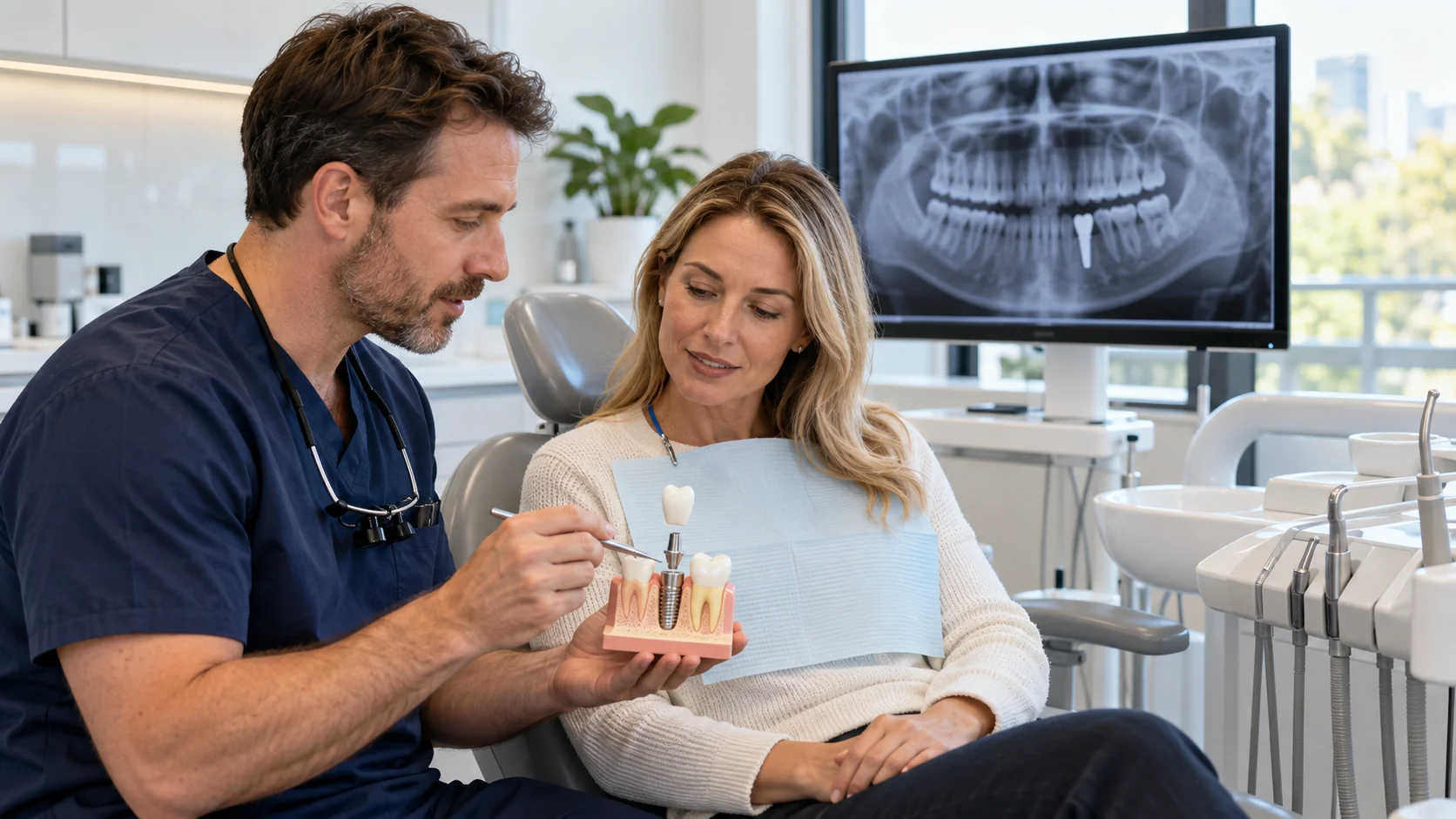
A single tooth dental implant generally replaces one missing tooth using three main components.
The first part is the implant post. This is usually made from titanium and is placed into the jawbone where the tooth root used to be.
The second part is a connector piece, often called an abutment. The third part is the implant crown, which is the visible, tooth-shaped restoration that sits above the gum.
Together, these components are designed to replace the missing tooth and provide a stable, functional restoration once treatment and healing are complete.
Because the implant post is positioned in the jawbone, it supports the crown independently. It does not need to be attached to the teeth on either side of the gap. This is one of the main differences between a dental implant and a traditional dental bridge, which commonly relies on neighbouring teeth for support.
At Revesby Dental Centre, patients may explore single tooth replacement after losing a tooth due to decay, injury, gum problems, or a fracture that could not be repaired. For some people, the missing tooth is visible when they smile. For others, it is further back in the mouth and mainly affects chewing.
In either situation, the first step is to assess the gap properly and determine which replacement options may suit the person’s oral health, general health, bite, and individual needs.
Why Consider Replacing One Missing Tooth?
A single missing tooth might not feel urgent at first, particularly when the gap is not highly visible.
However, changes can occur around an untreated gap over time.
Nearby teeth may gradually move towards the empty space. The opposing tooth may also change position because it no longer has a tooth to bite against. These changes can influence how the teeth meet and how chewing forces are distributed.
Some people also find themselves chewing more on the opposite side of their mouth, which can make eating feel less balanced.
Another consideration is the jawbone. After a tooth is removed, the bone in that area no longer receives the same mechanical stimulation associated with the natural tooth root. Changes in bone volume can occur over time. Because a dental implant is placed into the jawbone, the amount and quality of available bone are important factors when assessing whether implant treatment may be suitable.
For a front tooth, appearance can also be an important consideration. A visible gap may affect how comfortable someone feels when smiling, speaking, or laughing.
Depending on the individual case, replacing one missing tooth may help to:
- Restore a missing tooth in the smile
- Support chewing on that side of the mouth
- Help maintain appropriate spacing between surrounding teeth
- Improve bite function where the missing tooth has affected chewing
- Reduce the need to rely heavily on one side of the mouth
- Provide a replacement option that does not need to attach to neighbouring teeth
The appropriate timing and treatment will vary between patients. If you are unsure whether a missing tooth should be replaced, a professional dental examination and assessment can help identify changes around the gap and determine which options may be appropriate.
How Does a Single Tooth Implant Compare With Other Options?
A dental implant is not the only way to replace one missing tooth.
Depending on your oral health, neighbouring teeth, preferences, and other clinical factors, your dentist may also discuss a dental bridge or removable partial denture.
Dental Bridge
A traditional dental bridge fills the gap with an artificial tooth that is supported by teeth beside the missing tooth.
This can be appropriate in some circumstances, particularly when neighbouring teeth already require crowns or significant restorative treatment.
However, a traditional bridge generally requires the supporting teeth to be prepared so that they can hold the bridge. This means the condition of the neighbouring teeth is an important consideration.
If the teeth beside the gap are healthy and have not previously required extensive restorations, the implications of preparing them should be discussed before treatment. If those teeth already have large fillings or crowns, the considerations may be different.
A bridge is fixed in place rather than removed for cleaning like a denture. It can restore the appearance and function of the missing tooth, but it depends on adjacent teeth for support.
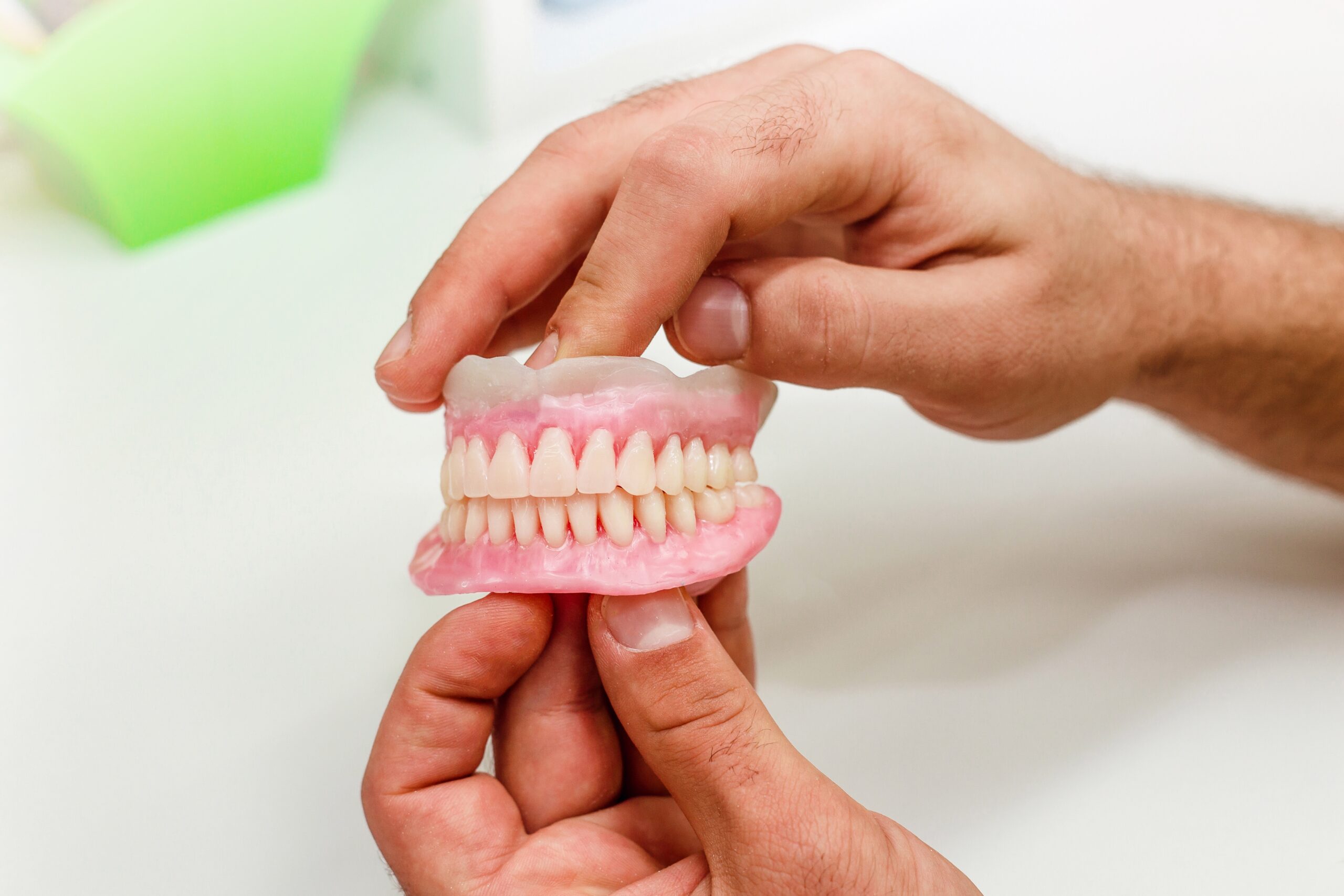
Removable Partial Denture
A removable partial denture is another option that may be used to replace a single missing tooth.
It generally sits over the gum and includes an artificial tooth to fill the space. Depending on its design, it may use clasps or other components to help keep it in position.
A partial denture may involve less invasive treatment initially than implant placement and may be considered when surgery is not appropriate or when someone prefers a removable option.
However, removable dentures need to be taken out for cleaning, and some people may need time to adjust to how they feel in the mouth.
Dental Implant
A dental implant supports the replacement tooth independently rather than relying on neighbouring teeth.
For this reason, it may be considered by people looking for a fixed replacement option without preparing the teeth beside the gap.
Unlike a traditional bridge or removable denture, an implant also replaces the missing tooth’s root area with an implant post. Because the implant is placed within the jawbone, the dentist needs to carefully assess the available bone before determining whether treatment is appropriate.
No option is universally better than another. The most appropriate approach depends on factors such as your jawbone, gum health, neighbouring teeth, bite, medical history, preferences, and treatment goals.
What Does the Single Tooth Implant Process Generally Look Like?
Every case is different, but treatment for a single tooth implant commonly follows several stages.
1. Dental Assessment
The first step is a thorough assessment.
Your dentist will examine the gap, neighbouring teeth, bite, gums, and surrounding tissues. Dental imaging may also be recommended to assess the available jawbone and the location of nearby anatomical structures.
Your dentist will usually ask about your medical history, medications, smoking or vaping status, previous dental treatment, and what you would like to achieve from treatment.
The Revesby Dental Centre dental team can assess these individual factors before recommending whether an implant or another tooth replacement option may be suitable.
2. Treatment Planning
If an implant appears to be a suitable option, your dentist will develop and discuss a treatment plan.
This may cover:
- The proposed treatment stages
- The expected treatment timeframe
- Costs
- Potential risks and complications
- Alternative treatment options
- Any additional treatment that may be required beforehand
For example, some patients may require treatment for gum disease or additional procedures such as bone grafting before implant placement can be considered.
This is also an opportunity to compare implant treatment with alternatives such as a bridge or removable partial denture.
3. Implant Placement
If you decide to proceed and implant treatment is considered clinically appropriate, the implant post is placed into the jawbone.
Placement is planned according to the location of the missing tooth, the available bone, nearby structures, and the intended position of the final restoration.
After placement, the area needs time to heal.
A final implant crown is not necessarily placed immediately. The appropriate approach depends on the individual case and how the implant and surrounding tissues respond.
4. Healing Period
The implant generally requires a healing period before the final restoration is fitted.
During healing, the bone needs time to integrate with the implant surface. The length of this process varies between patients and may depend on factors such as:
- Bone quality and quantity
- General health
- Oral health
- Whether bone grafting was required
- Smoking or vaping
- The location of the implant
- Individual healing response
Your dentist will explain how to care for the area and whether a temporary tooth replacement may be appropriate while healing occurs.
5. Implant Crown Fitting
Once the dentist determines that the implant is ready for restoration, an implant crown can be made and fitted.
The crown fills the visible gap and is designed to work with your bite and surrounding teeth.
After fitting the crown, your dentist will check the way your teeth meet and provide instructions for cleaning and maintaining the implant and surrounding gums.
Are You Suitable for a Single Tooth Dental Implant?
Not everyone with a missing tooth will automatically be suitable for dental implant treatment.
A dentist needs to assess several clinical and health factors before recommending an implant.
Adequate healthy bone is generally required to support the implant. Gum health is also important because inflammation and gum disease can affect the tissues surrounding both natural teeth and dental implants.
Your general health and medical history also need to be considered. Certain medical conditions, medications, and other factors may influence healing or affect treatment planning.
Smoking and vaping should also be discussed with your dentist because they may influence healing and treatment outcomes.
Your assessment may consider:
- The amount and quality of jawbone available
- Your gum health
- The condition of neighbouring teeth
- Your bite and chewing forces
- Your medical history
- Medications you take
- Whether you smoke or vape
- Whether additional procedures such as bone grafting may be required
- Your expectations and treatment preferences
If there is insufficient bone in the area, bone grafting may sometimes be discussed. Whether this is appropriate depends on your individual circumstances.
A dental examination and appropriate imaging are needed before your dentist can determine whether implant treatment may be suitable.
What Should You Ask Before Deciding?
Choosing how to replace a missing tooth deserves careful consideration.
Asking questions during your consultation can help you understand the proposed treatment, potential alternatives, and what may be involved in your individual case.
Questions you may want to ask include:
- Am I a suitable candidate for a single tooth implant?
- What does treatment involve in my particular case?
- Do I have enough bone to support an implant?
- Could I require bone grafting?
- What treatment timeframe might apply to me?
- What alternatives could I consider?
- What are the potential risks and complications?
- How should an implant crown be cleaned?
- What ongoing maintenance is required?
- How often should the implant be reviewed?
- What costs are included in my treatment plan?
Having these questions answered by your dentist can help you make an informed decision based on your individual circumstances rather than relying only on general information.
Thinking About Replacing One Missing Tooth?
Replacing one missing tooth is not necessarily only about appearance.
Depending on its position, a missing tooth may influence chewing, bite function, spacing between teeth, and how comfortable you feel about your smile.
A single tooth dental implant is one possible option. It may be appropriate for some patients who want a fixed replacement that does not rely on neighbouring teeth, but implants are not suitable for everyone.
Dental bridges and removable partial dentures may also be appropriate depending on your oral health, neighbouring teeth, medical history, treatment preferences, and other factors.
If you are in Revesby and would like to discuss replacing a missing tooth, you can contact Revesby Dental Centre to arrange an assessment. A dentist can examine the area and explain whether an implant, bridge, denture, or another approach may be suitable for your individual circumstances.
FAQs
Is a dental implant for one tooth painful?
The level of discomfort associated with implant treatment varies between patients and depends on the procedure involved. Local anaesthetic is generally used during implant placement, and some discomfort, tenderness or swelling may occur afterwards. Your dentist can explain what to expect and recommend appropriate pain management for your individual procedure.
How long does a single tooth dental implant last?
There is no guaranteed lifespan for a dental implant. With appropriate oral hygiene, professional dental care and ongoing maintenance, an implant may function for many years. Longevity varies according to factors such as gum health, oral hygiene, bite forces, smoking or vaping, general health, and regular dental reviews.
Is a dental implant better than a bridge for one missing tooth?
Neither treatment is universally better. A dental implant may be appropriate for some people because it can replace a missing tooth without relying on neighbouring teeth. A bridge may be appropriate in other situations, particularly when adjacent teeth already require crowns or restorative treatment. A dentist can assess your mouth and explain the advantages, limitations and risks of each option for your circumstances.
How much does a single tooth dental implant cost?
The cost of a single tooth implant varies according to the individual case. Factors may include diagnostic imaging, implant placement, the implant crown, whether bone grafting or other procedures are required, and the overall complexity of treatment. A personalised cost estimate can be provided after a dental assessment and treatment plan.
Am I too old to get a dental implant?
Age by itself does not determine whether someone is suitable for a dental implant. Factors such as general health, jawbone availability, gum condition, medications, healing capacity and overall oral health are generally more important. A dentist needs to assess these factors before recommending treatment.
Can one missing tooth be left untreated?
In some situations, a person may choose not to replace a missing tooth. However, nearby or opposing teeth can sometimes change position over time, and the gap may affect chewing or bite function. Whether replacement is recommended depends on the location of the missing tooth and your individual oral health, so it is worth having the area assessed by a dentist.